Lily Flowers Box Display Papercut SVG Review
As a designer who spends half my life staring at stitch maps and the other half trying to convince clients that embroidery has depth beyond a simple logo, I approach every new digital asset with a mix of skepticism and hope. Most "papercut" styles look flat when digitized, losing their intricate charm in the translation from vector lines to thread. However, after spending some time analyzing the Lily Flowers Box Display Papercut SVG, I found myself genuinely impressed by its potential for high-end handmade products. This isn't just another floral clipart; it is a structured composition that demands respect during the digitizing process but rewards you with a stunning finished product.
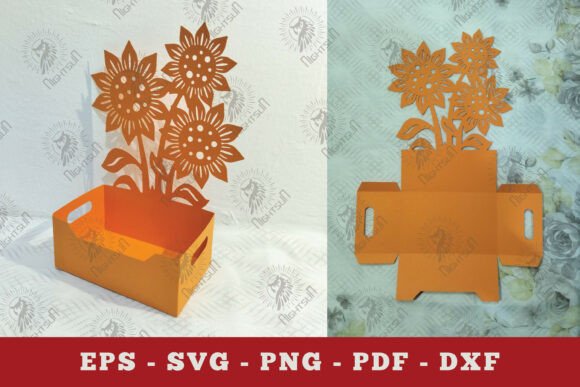
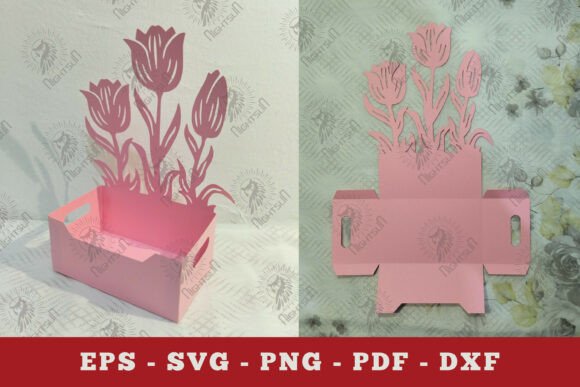
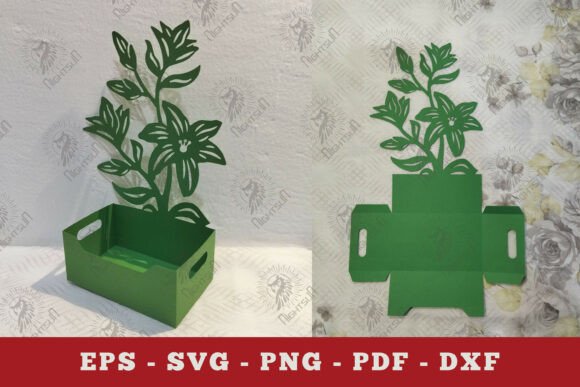
The first thing that strikes you about this design is its architectural quality. The title suggests a box display, and visually, it delivers a layered, three-dimensional aesthetic that mimics paper cutouts. For those working in Floral Compositions, this offers a distinct departure from traditional soft, flowing petals. Instead, we are looking at crisp edges, defined negative space, and a geometric elegance that feels modern yet timeless. It sits comfortably in the realm of a 3D SVG style, meaning it relies on layering and contrast to create depth rather than complex shading stitches. This makes it an excellent candidate for applique techniques or precise satin work, where clean lines are paramount.
Real-World Application: From Screen to Stitch
To truly understand the value of this file, we need to move past the preview image and imagine it on actual merchandise. Let’s say you are preparing a custom order for a boutique client who wants a luxury baby gift set. You might envision a monogrammed onesie paired with a matching receiving blanket. In this scenario, the Lily Flowers Box Display Papercut SVG performs exceptionally well as a central motif. The bold, graphic nature of the lilies stands out clearly against soft pastels or crisp whites, ensuring the design remains legible even on small surfaces like a bib or a hat brim.
I also see tremendous potential for home decor items. Imagine this design embroidered onto a high-quality linen tea towel or a structured canvas tote bag. The "box display" aspect gives it a framed look, which works beautifully when centered on a large garment or placed asymmetrically on a pocket. For an Etsy seller or small shop owner, this versatility is gold. It bridges the gap between delicate feminine aesthetics and strong graphic design, appealing to customers who want something that looks professionally designed rather than generically produced.
Furthermore, consider the commercial embroidery market. Corporate gifts often struggle to find designs that aren't cliché. A stylized lily arrangement in a papercut style can serve as a sophisticated brand element for a florist, a wedding planner, or a high-end spa. It elevates the perceived value of the item, whether it’s a branded apron for a chef or a personalized pillow cover for a housewarming gift. The design assets here are robust enough to support both personal projects and scalable commercial production.
Technical Considerations for Embroidery Designers
While the visual appeal is undeniable, translating a papercut vector into a stable embroidery file requires careful planning. The primary challenge with any design featuring fine details and negative space is stitch density and fabric stability. If you are using this as an applique design, ensure your base fabric provides enough tension so the edges don’t pucker. A tear-away stabilizer might suffice for light fabrics, but for heavier materials like denim or thick fleece, a cut-away stabilizer is non-negotiable to maintain the integrity of the hoop size over time.
When selecting thread colors, contrast is your best friend. Because the design relies on shape recognition, low-contrast threads (like beige thread on cream fabric) will cause the intricate details of the lilies to disappear. I recommend testing the design in black and white mockups first to verify that the internal cutouts remain visible. Additionally, pay close attention to the satin stitch width. If the machine attempts to stitch too wide a satin border around the delicate inner curves of the flowers, the fabric may distort. A narrower, more precise satin stitch will preserve the sharp, papercut aesthetic.
It is also crucial to inspect the small details before committing to a full production run. Some elements of the box display structure may be quite fine. On textured fabrics, such as waffle knit towels or boucle wool, these tiny details might get lost in the weave. In such cases, opting for a running stitch outline instead of a solid fill can sometimes provide better definition without overwhelming the texture of the material.
Where Caution Is Required
Not every surface is suitable for this level of detail. Avoid placing this design on highly stretchy fabrics like spandex blends unless you use a specialized stretch stabilizer and reduce the stitch count significantly. Curved surfaces, such as baseball caps, present another challenge; while possible, the distortion inherent in curving a flat design onto a dome can warp the symmetrical beauty of the box layout. Similarly, on dark fabrics, if you do not use a dense underlay or a backing layer, the transparency of certain stitches might show through the base fabric, ruining the crispness of the final product.
For products that require frequent washing, such as baby clothes or kitchen towels, ensure that the design is anchored properly. Loose threads in the detailed corners of the lilies can snag. A final trim and inspection of the backside of the embroidery are essential steps to ensure durability. If you are selling these items, customer trust hinges on longevity. A beautiful design that unravels after one wash will hurt your brand reputation far more than a simpler design would.
Final Verdict for Craft Business Owners
The Lily Flowers Box Display Papercut SVG is a versatile, high-impact asset that fits seamlessly into the workflow of serious crafters and designers. It offers a unique visual personality that stands out in a crowded marketplace of generic floral patterns. Whether you are creating personalized gifts, expanding your Etsy listings with trendy apparel, or producing boutique branding materials, this design provides a professional foundation.
Remember to always test the design on scrap fabric first. Check your thread color contrast, review the stitch density, and confirm that your hoop size accommodates the design without unnecessary trimming. By treating this file with the technical respect it deserves, you can transform a simple digital download into a premium, sellable finished product. For those looking to add a touch of modern elegance to their embroidery project portfolio, this is a strong addition that balances artistic flair with commercial viability.