Ranunculus Cloni Mambo 3D SVG Paper Flowers Review
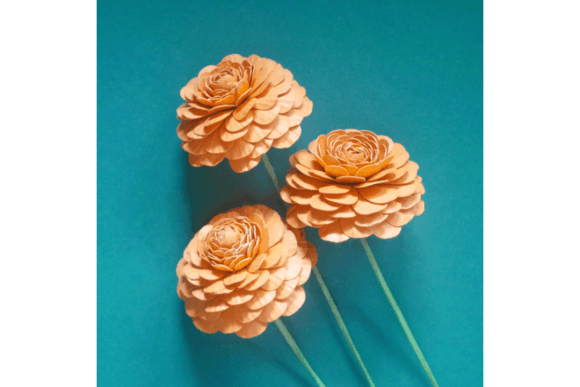
As a brand designer who has spent years translating abstract business goals into tangible visual identities, I approach every new graphic design asset with a mix of skepticism and curiosity. The market is saturated with clipart and vector illustrations, but finding elements that elevate small business branding without adding clutter is rare. Recently, I evaluated the “Ranunculus Cloni Mambo” display by Maison Gregoria for an upcoming seasonal campaign launch. This 3D SVG piece features three stunning paper blooms, each intricately layered to emulate the lush, dense petals characteristic of the real flowers. These blooms offer a unique opportunity to discuss how high-quality design assets can influence audience perception and drive engagement in modern content marketing.
First Impressions: Mood and Emotional Tone
The immediate impact of Ranunculus Cloni Mambo is one of refined elegance mixed with tactile warmth. Unlike flat, two-dimensional illustrations that often feel generic, this SVG design possesses depth. The layering creates shadows and highlights that mimic the physical texture of paper art. For a brand owner looking to communicate quality, craftsmanship, or luxury, this emotional tone is invaluable. It suggests that the product behind the brand is not mass-produced but carefully curated.
In terms of mood, the asset leans towards premium visuals rather than casual or playful branding. It works exceptionally well for lifestyle content, editorial graphics, and commercial marketing materials that aim to attract attention without looking messy or unprofessional. The lush density of the petals provides a strong focal point, allowing it to serve as a hero element in layouts where you need to establish immediate visual interest. Whether you are designing for a handmade jewelry line, a boutique skincare brand, or a high-end event planner, the Ranunculus Cloni Mambo brings a sense of sophistication that resonates with audiences seeking trust and reliability.
Real-World Application in Marketing Campaigns
To understand the true value of this asset, imagine a scenario: A small organic tea company is launching a limited-edition spring collection. They need to refresh their social media visuals, create packaging inserts, and prepare digital ads. They cannot afford a custom photoshoot for every single post. This is where a versatile creative design like Ranunculus Cloni Mambo becomes a strategic tool.
By integrating these paper blooms into their workflow, the brand can maintain visual consistency across multiple touchpoints. Here is how this digital product supports specific marketing channels:
- Social Media Graphics: On Instagram and Pinterest, the intricate details of the blooms stand out in crowded feeds. They perform well as background elements for quotes or as standalone images that invite users to pause and look closer.
- Packaging Design: When used on product labels or thank-you cards, the asset adds a perceived value boost. Customers associate the detailed artwork with care and attention to detail, which enhances audience trust.
- Digital Ads: In Facebook ads or lead magnets, the rich colors and depth help the creative break through ad fatigue. It serves as a compelling visual hook that directs the eye toward the call-to-action.
- Editorial Design: For blog headers or newsletter banners, the blooms provide a decorative frame that guides the reader’s focus to the headline text.
This flexibility makes Ranunculus Cloni Mambo more than just a pretty picture; it is a functional component of a broader content marketing strategy. It allows designers to create a cohesive look for Canva templates, printable promotions, and merchandise without needing extensive graphic design skills.
Supporting Core Brand Goals
Effective branding is not just about aesthetics; it is about communication. Using Ranunculus Cloni Mambo strategically can help achieve several key marketing goals:
- Stronger First Impression: The complexity of the design signals professionalism. It tells the viewer that the brand invests in quality.
- Clearer Visual Hierarchy: Because the blooms are visually heavy, they naturally draw attention. Placing them correctly helps guide the user’s eye through your message, ensuring important information is seen first.
- Better Product Presentation: When paired with clean typography, the organic shapes of the flowers soften the layout, making products appear more inviting and accessible.
- Improved Audience Trust: Consistent use of high-quality illustration elements reduces cognitive load. Users find familiar, polished designs easier to process, which subconsciously increases comfort with the brand.
For online coaches and product creators, these factors translate directly into higher conversion rates. A memorable campaign visual is one that sticks in the mind long after the user has scrolled past. The distinct texture of the paper flowers ensures that Ranunculus Cloni Mambo remains memorable.
Strategic Placement and Limitations
While powerful, no single asset fits every context. Understanding where Ranunculus Cloni Mambo works best—and where it might hinder your message—is crucial for professional branding.
Ideal Use Cases
This asset shines in spaces that allow it room to breathe. It is perfect for:
- Hero Graphics: Large-scale headers on websites or landing pages.
- Campaign Headers: Top-of-funnel advertisements where brand awareness is the primary goal.
- Decorative Brand Elements: Corner accents in email newsletters or footer designs.
- Content Bundles: As part of a larger design bundle for digital planners or journals.
Areas Requiring Caution
There are scenarios where this asset should be used sparingly or avoided:
- Formal Corporate Branding: If your brand identity relies on strict minimalism or geometric precision, the organic, layered nature of these blooms may feel too ornate.
- Dense Information Layouts: Avoid placing the asset over areas with heavy text. The visual weight can compete with the copy, reducing readability.
- Small Mobile Graphics: At very small sizes, the intricate layers may blur or become indistinct. Always test the PNG design at actual display size.
- Low-Contrast Backgrounds: To ensure the blooms pop, they need sufficient contrast. Using them on a similarly colored background will mute their effect.
Practical Notes for Designers and Marketers
Before integrating Ranunculus Cloni Mambo into your next project, consider these practical steps to ensure optimal results:
Color Palette Testing: The asset likely comes in a default color scheme, but adapting it to your brand colors is essential. Test the blooms against your primary and secondary palette to ensure harmony. If the asset is monochrome, verify how it looks in black and white usage, as this affects accessibility and print costs.
Typography Pairing: The choice of font significantly impacts the final look. Ranunculus Cloni Mambo pairs beautifully with serif fonts for a classic, editorial feel. For a more modern twist, try a clean sans-serif font. Script or handwritten fonts can work if you want to emphasize a personal, artisanal touch, but avoid using them together as both may compete for attention. Display fonts should be used sparingly to let the illustration remain the star.
Mockup Integration: Do not judge the asset in isolation. Place it inside real campaign mockups. Preview it on mobile screens to check spacing and balance. Compare it against competitor visuals to see how it differentiates your brand. This step is vital for confirming that the asset supports your overall visual hierarchy.
Licensing Check: Finally, always confirm commercial licensing before using any design asset in paid campaigns, client work, or business branding. Ensure you have the right to modify the file and use it across multiple platforms. A proper commercial license protects your business from legal issues and allows you to scale your efforts confidently.
In conclusion, Ranunculus Cloni Mambo is a sophisticated addition to any creative marketplace library. Its ability to convey depth, texture, and elegance makes it a powerful tool for brands aiming to build a premium identity. By understanding its strengths and limitations, marketers and designers can leverage this asset to create memorable, professional, and engaging visual content that drives real business results.