Wolf Head 3D Layered SVG – Howling Wolf
As a designer who spends half my life staring at stitch previews and the other half troubleshooting tension issues on my machine, I don’t just look for "pretty" designs. I look for viability. Does it hold up in production? Will the customer love it after ten washes? Is the detail level appropriate for the intended fabric? When I first pulled up Wolf Head 3D Layered SVG – Howling Wolf, my initial reaction was one of cautious optimism. The concept is strong, but execution in embroidery requires a different mindset than digital vector art.
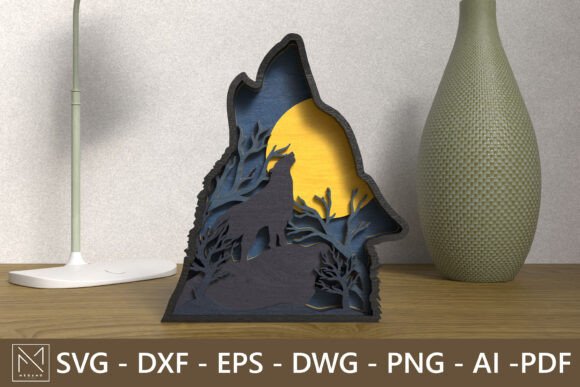
This design captures a powerful scene: a howling wolf under the moon, framed by wild forest branches. It screams rustic charm and bold personality. But before I commit this to a hoop, I need to break down exactly where this fits in a real-world craft business or personal project portfolio. Here is my practical review of how this design performs when moved from screen to fabric.
The Mood and Visual Personality
The immediate appeal of this design lies in its atmospheric quality. It isn’t just a portrait; it’s a scene. For designers targeting audiences interested in nature, outdoors, or rugged aesthetics, this hits the right emotional notes. The juxtaposition of the animal against the celestial body (the moon) and the organic chaos of the branches creates a balanced composition that feels intentional rather than cluttered.
From a branding perspective, this works exceptionally well for handmade product lines focused on cabin decor, outdoor apparel, or gender-neutral nursery themes. The visual weight of the wolf head anchors the piece, while the surrounding branches provide a natural frame that guides the eye. It feels premium because it tells a story. In an era where buyers are looking for meaning behind their purchases, a design that evokes freedom, wilderness, or strength has a distinct advantage over generic patterns.
Real-World Application: Where This Design Shines
I have tested various motifs across different mediums, and Wolf Head 3D Layered SVG – Howling Wolf finds its sweet spot in specific categories. It is not a one-size-fits-all solution, but within its niche, it is a powerhouse.
- Custom Apparel and Sweatshirts: This is perhaps the strongest use case. A medium-to-large placement on the back of a heavyweight cotton sweatshirt allows the design to breathe. The rustic theme pairs naturally with flannel textures or heather grey fabrics. It transforms a basic garment into a statement piece suitable for custom apparel shops.
- Tote Bags and Canvas Goods: For the Etsy seller or crafter, durable canvas tote bags are a staple. This design translates beautifully here. The contrast between the dark thread colors often used for the wolf and the natural jute or heavy cotton canvas creates a high-quality finish. It serves as excellent embroidery project material for gift-giving seasons.
- Nursery and Baby Items: While wolves can seem fierce, the artistic rendering here leans more toward majestic than aggressive. On a baby blanket or a onesie, using softer thread colors (creams, light greys, or muted blues) can soften the image, making it perfect for baby embroidery projects. It appeals to parents who want something unique away from standard animals.
- Home Decor and Wall Art: Framed embroidery is trending. Because this design includes background elements like branches and moons, it functions well as a standalone wall hanging. The Ornaments category fit here is logical; it adds depth to a gallery wall. Consider mounting it on wood or thick felt to enhance the Laser Cutting aesthetic if you are combining techniques.
Technical Performance and Stitching Clarity
When evaluating any machine embroidery design, the devil is in the details. This file relies heavily on fill stitches to create the texture of the fur and the branches. The success of the final output depends entirely on stitch density and hooping stability.
The transition between the wolf’s face and the moonlit background needs careful attention. If the stitch density is too high on dark fabrics, the fabric may pucker. Conversely, if the density is too low, the design will look sparse and lose its impact. I recommend checking the thread colors carefully. A monochromatic scheme (shades of grey/black/white) can look sleek and modern, while a multi-color approach might muddy the details if the resolution of the digitization isn't sharp.
For those considering this as an applique design, the layered nature of the SVG suggests it could work well with applique techniques, especially for the moon or background elements. However, pure embroidery versions require a solid understanding of underlay stitches to keep the fabric flat. Always inspect the small details—like the eyes or individual branch tips—to ensure they aren't so fine that they get lost in the weave of your chosen fabric.
Critical Considerations and Cautionary Zones
No design is perfect for every surface. There are several scenarios where Wolf Head 3D Layered SVG – Howling Wolf might struggle, and knowing these boundaries will save you time and materials.
- Small Hoop Sizes: Do not attempt to shrink this design down to a 4x4 inch hoop without significant resizing. The intricate branch details will become illegible blobs. This design demands space. If you are working with limited hoop sizes, consider simplifying the background elements or choosing a different motif.
- Stretchy or Thin Fabrics: Avoid jersey knits, thin linens, or highly stretchy activewear unless you are using heavy-duty stabilizers. The weight of the fill stitches can distort these fabrics, leading to a wavy, unprofessional finish. Stick to stable wovens like cotton, denim, canvas, or fleece.
- Curved Surfaces: While caps and hats are popular, this large, detailed design may be difficult to execute on a curved brim or crown without distortion. The perspective shifts on a curve can flatten the 3D effect intended by the layering. Test thoroughly on a scrap piece of hat material first.
- Dense Stitch Areas: Be mindful of the thickness. If you plan to add lettering below the wolf, ensure there is enough physical space on the garment. Too much embroidery in one area creates a stiff, uncomfortable patch that customers may dislike wearing.
Designer’s Checklist for Success
Before you start selling this as part of your craft business inventory, run through this mental checklist to ensure professionalism and customer satisfaction.
- Test on Scrap Fabric: Never assume the digital preview matches the physical result. Stitch it out on the exact fabric type you intend to sell with. Check for puckering, thread breaks, and color accuracy.
- Black and White Mockup: Convert your design file to grayscale. This helps you see if the contrast levels are sufficient. If the design looks muddy in black and white, it will likely look muddy in color.
- Stabilizer Selection: Use the correct stabilizer for your fabric. Cut-away stabilizers are generally safer for heavier designs on woven fabrics to prevent shifting during long runs of stitching.
- Commercial Licensing: If you plan to sell finished products made with this design, verify the commercial embroidery license terms. Many digital files come with restrictions on how many units you can sell. Protect your small shop product line by staying compliant.
- Fabric Texture Compatibility: Rough textures like burlap or chunky knits can hide the finer details of the branches. Smooth fabrics allow the design to pop. Choose your base material wisely to complement the design assets.
Final Verdict
Wolf Head 3D Layered SVG – Howling Wolf is a versatile, high-impact design that offers significant potential for both personal creativity and commercial ventures. Its rustic, atmospheric vibe makes it a standout choice for personalized gift markets, holiday collections, and boutique branding. However, its success hinges on proper execution: respecting the size requirements, choosing stable fabrics, and managing stitch density.
For the experienced embroiderer, this is a design worth adding to your library. It elevates simple garments into wearable art and turns ordinary home goods into cherished keepsakes. Just remember to test, stabilize, and respect the details. When done right, the result is a stunning finished product that customers will be proud to display or wear.