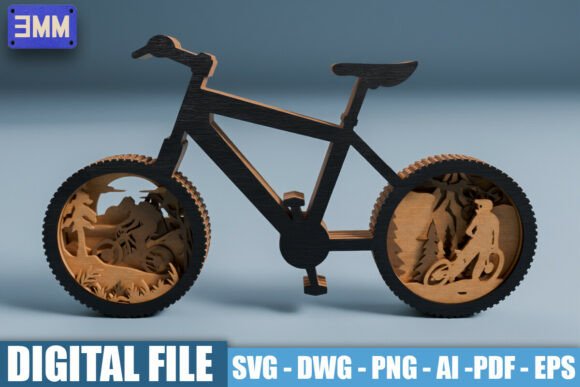
Mountain Bike 3D Layered SVG for Laser Cutting and Stands
In the world of digital publishing, visual hierarchy is not just an aesthetic choice; it is a functional necessity. As a blog designer who has spent years optimizing content for readability, engagement, and conversion, I evaluate every graphic design asset with one question in mind: does this support the reader’s journey or distract from it? Recently, I examined the 🚴♂️ Mountain Bike 3D Layered SVG Cycling Laser Cut File Outdoor Adventure Wall Art Celebrate the thrill of the trail with this Mountain Bike 3D Layered SVG, featuring a layered mountain and forest sce. While marketed heavily toward physical crafting enthusiasts for laser cutting projects, its potential as a high-quality editorial element for websites, newsletters, and digital products is significant.
This review focuses on how this specific design asset can be integrated into real-world content publishing workflows. We will look at its editorial mood, its application in various digital formats, and the technical considerations required to maintain brand integrity and user trust.
The Editorial Mood and Visual Impact
When you first load the Mountain Bike 3D Layered SVG, the immediate impression is one of depth and dynamism. Unlike flat vector icons that often feel generic, this asset utilizes a layered approach to create a sense of three-dimensionality. For a publisher, this translates to a more engaging first impression. The design evokes themes of adventure, outdoor exploration, and active lifestyle, making it naturally suited for niches such as travel blogging, fitness coaching, gear reviews, and family activity planning.
The visual language here is modern yet rustic. It balances the clean lines of contemporary web design with the organic textures implied by the "mountain and forest" description. This duality allows it to bridge the gap between professional editorial layouts and playful, community-focused content. It feels less like a corporate stock image and more like a curated illustration, which can significantly boost reader trust. Readers are increasingly savvy; they respond better to content that appears thoughtfully designed rather than assembled from low-effort templates.
Furthermore, the layered nature of the SVG suggests versatility. In a static web context, these layers can be manipulated using CSS to create subtle parallax effects or hover animations, adding a layer of interactivity that keeps users engaged longer. Even when used statically, the implied depth draws the eye, creating a stronger focal point than a standard flat graphic.
Integrating the Asset into Publishing Workflows
The true value of a design asset lies in its adaptability across multiple touchpoints. Here is how I recommend integrating this mountain bike graphic into your content marketing strategy:
- Blog Featured Images and Headers: Use the SVG as a background element or a prominent foreground icon for article headers related to outdoor activities. Its layered structure allows it to sit beautifully behind bold typography without overwhelming the text, provided there is sufficient contrast.
- Pinterest Graphics and Social Media Previews: Pinterest is a visual search engine where click-through rates depend heavily on eye-catching imagery. The 3D effect of this SVG stands out in crowded feeds. You can combine it with vibrant gradient backgrounds or nature photography to create pins that promise an immersive experience.
- Digital Guides and Lead Magnets: If you are creating a downloadable PDF, such as a "Beginner’s Guide to Trail Riding" or a checklist for camping gear, this SVG serves as an excellent cover image or section divider. It signals to the user that the content inside is fun, active, and well-produced.
- Newsletter Banners: Email clients have strict rendering limitations, but inline SVGs are becoming more supported. Using this graphic in your newsletter header can reinforce your brand identity and break up text-heavy emails with a visually appealing accent.
- Affiliate Marketing Content: For bloggers earning revenue through affiliate links for bikes, helmets, or apparel, this graphic adds contextual relevance to product roundups. It helps visualize the lifestyle associated with the products, increasing the emotional connection and potential for conversion.
Supporting Content Performance and Brand Identity
Consistent use of high-quality visual hierarchy elements helps establish a recognizable brand identity. By incorporating the Mountain Bike 3D Layered SVG consistently across your website, social media, and email campaigns, you create a cohesive visual narrative. This consistency improves reader recall and makes your content instantly identifiable in a feed.
Moreover, the asset supports content marketing goals by enhancing the perceived value of your digital products. A digital guide or eBook wrapped in a polished, professional design commands more authority than one with placeholder graphics. When readers see that you invest in quality creative design, they are more likely to trust your recommendations and engage with your affiliate marketing links.
The asset also aids in category recognition. If your site covers multiple topics, using distinct visual styles for each category helps users navigate your content intuitively. A dedicated "Outdoor Adventures" section featuring this SVG immediately sets expectations for the type of content within, reducing bounce rates from users seeking different information.
Strategic Placement and Design Considerations
While this asset is versatile, it is not a one-size-fits-all solution. Strategic placement is key to maintaining a clean and professional look.
Where It Works Best
- Hero Images: Large-scale displays allow the layered details to shine.
- Editorial Accents: Use as decorative elements in margins or beside pull quotes.
- Downloadable Resources: Ideal for printables, worksheets, and certificate designs.
- Category Thumbnails: Helps distinguish specific content pillars on your homepage.
Where to Use Carefully
Avoid using this graphic in contexts where clarity and minimalism are paramount. For example, in serious professional niches like legal advice or financial planning, the playful nature of a mountain bike might undermine the seriousness of the topic. Additionally, be cautious with small mobile thumbnails where the intricate layers may blur or become indistinguishable. Always ensure the graphic does not compete with critical call-to-action buttons or essential navigation elements.
Practical Publisher Notes for Implementation
To get the most out of this commercial design asset, follow these technical best practices:
- Test Across Devices: Preview the SVG on both desktop and mobile screens. Ensure it scales correctly and does not distort the layout on smaller viewports.
- Check Contrast and Readability: Place the graphic against various background colors. Test it alongside serif, sans-serif, script, and display fonts to find the optimal typographic pairing. High contrast is essential for accessibility.
- Optimize for Web Performance: Although SVGs are lightweight, complex layered files can still impact load times. Compress the file properly before uploading to your media library to ensure fast page speeds, which is crucial for SEO.
- Verify Licensing: Before using this asset on monetized websites, affiliate pages, or paid digital download products, confirm your commercial license. Most creative marketplaces offer different tiers of licensing, so ensure you are compliant to avoid legal issues.
- Experiment with Color: Don’t limit yourself to the default colors. Recolor the SVG to match your brand palette. This flexibility allows you to integrate the asset seamlessly into your existing small business branding guidelines.
In conclusion, the Mountain Bike 3D Layered SVG is more than just a craft file; it is a robust graphic design asset capable of elevating your digital presence. By leveraging its depth and thematic appeal, you can create more engaging, trustworthy, and visually stunning content that resonates with your audience and drives results.