Dahlia Cocinnea Embroidery Review
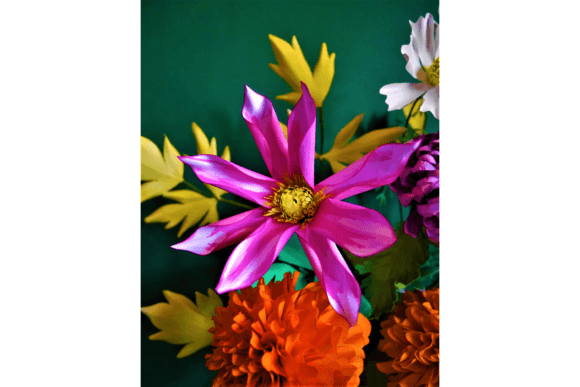
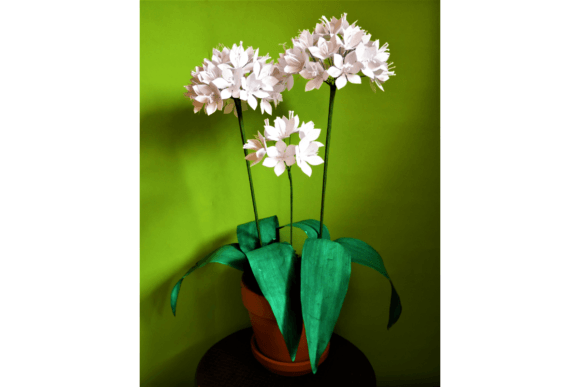
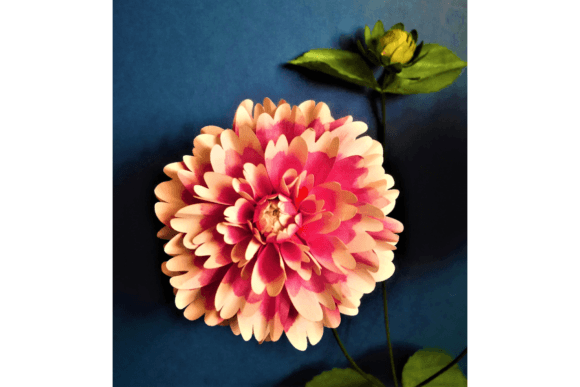
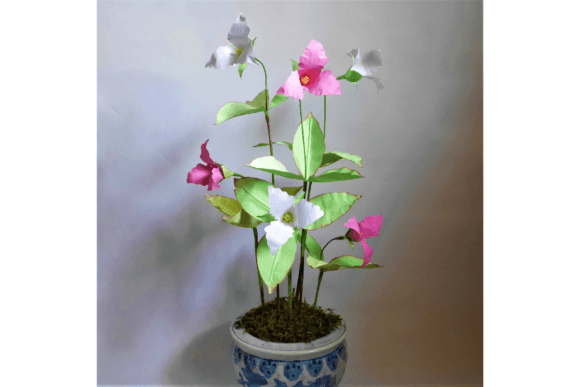
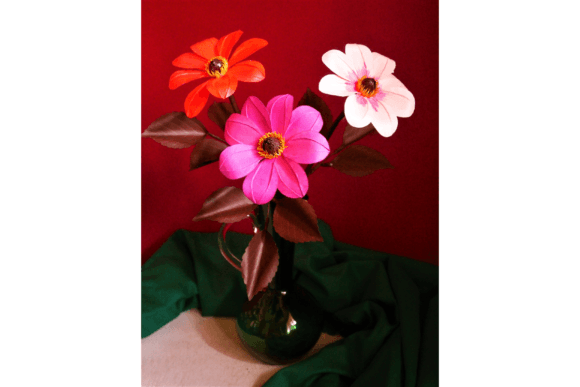
When I first pulled up the file for Dahlia Cocinnea by Maison Gregoria, my initial reaction was one of visual delight followed immediately by practical calculation. As a designer who spends hours scrutinizing stitch paths and evaluating market viability, I don’t just look at how pretty a design is; I look at how it behaves under the needle. This piece, described as a captivating paper flower arrangement celebrating the lively essence of dahlias, presents an interesting case study for both personal hobbyists and serious commercial sellers.
The concept relies on a 3D SVG aesthetic translated into machine embroidery. The challenge here is always maintaining that "paper" crispness while ensuring the stitches hold up to wear and washing. Let’s break down exactly where this design shines and where you might need to exercise caution before committing it to your production line or favorite tote bag.
First Impressions and Visual Personality
Dahlia Cocinnea exudes a vibrant, editorial energy. The description mentions three dahlias in vivid shades, which suggests a composition that is balanced yet dynamic. In the world of machine embroidery design, floral arrangements can sometimes feel dated if they are too symmetrical or overly dense. However, the "paper flower" style implies cleaner lines and perhaps a bit more negative space than traditional botanical fills.
For the Etsy seller or small shop product creator, this visual personality is gold. It feels modern, fresh, and highly photogenic. When you create a printable mockup for your listing, this design pops. It doesn’t require heavy background textures to stand out because the implied layers of the petals provide their own depth. The mood is celebratory but sophisticated, making it suitable for a wide range of demographics, from young adults looking for trendy custom apparel to older clients seeking elegant personalized gift options.
Real-World Application: Where Does It Fit?
I recently evaluated this design with a specific project in mind: a batch of high-end canvas tote bag design items for a local artisan market. Here is how Dahlia Cocinnea performed in that scenario.
- Tote Bags: The layout works beautifully centered on a standard tote. The three-flower arrangement creates a nice focal point without overwhelming the fabric. Because dahlias have such distinct petal shapes, they translate well onto sturdy cotton or canvas blends, which are common for these bags.
- Sweatshirt Embroidery: For fall and winter collections, this design adds a necessary splash of color. The vivid hues mentioned in the product description will contrast nicely against heather grey, navy, or black sweatshirts. It elevates a basic garment into a statement piece.
- Baby Embroidery: While vibrant, the design isn’t chaotic. If scaled appropriately, it works wonderfully on baby blankets or onesies. The "paper" style keeps it from feeling too mature, striking a balance between playful and chic.
- Kitchen Towels and Aprons: This is an underrated category for craft business owners. A bright dahlia arrangement on a white tea towel or a neutral apron looks incredibly professional. It feels like something you’d find in a boutique kitchenware store rather than a mass-market retailer.
Furthermore, this design has strong potential for commercial embroidery projects related to weddings or bridal showers. Dahlias are popular wedding flowers, and this stylized take offers a unique alternative to traditional romantic roses or peonies. It allows couples to express a bold personality while still maintaining elegance.
Technical Performance and Stitch Behavior
As we move from aesthetics to execution, we need to talk about the mechanics. The design utilizes a mix of what appears to be satin stitch for outlines and potentially lighter fill stitch or running stitch elements to mimic the texture of paper. This variation is crucial for visual interest.
However, the success of this embroidery file depends heavily on your thread selection. Because the design celebrates "vivid hues," using muted or low-contrast threads will kill the impact. You want threads that pop. I recommend testing your thread colors on scrap fabric before starting a full run. Look for high-quality polyester or rayon threads that have a slight sheen, as this enhances the "paper" illusion.
Another critical factor is stitch density. Paper flowers rely on clean edges. If the stitch density is too high, the fabric may pucker, and the delicate definition of the petals will be lost. Conversely, if it is too sparse, the underlying fabric will show through, ruining the layered effect. Always inspect the small details in your software to ensure the stitch paths are optimized for clarity.
Where to Use Dahlia Cocinnea Carefully
No design is perfect for every surface. There are specific scenarios where Dahlia Cocinnea might struggle, and knowing these limits will save you time and materials.
- Small Hoop Sizes: If you are working with very small hoops (under 4x4 inches), you must check the scaling. Complex floral designs can become muddy when shrunk too far. Ensure the individual petals remain distinguishable.
- Textured or Stretchy Fabrics: Avoid placing this on chunky knits, terry cloth, or highly stretchy jersey fabrics unless you are using excellent stabilization. The precision of the "paper" look requires a stable base. On stretchy fabrics, the tension changes during stitching, which can distort the circular nature of the dahlia heads.
- Caps and Curved Surfaces: While possible, embroidering this on a curved cap brim requires careful digitizing adjustment. The perspective shift can make the flowers look flattened or stretched. If you are doing embroidered patch work or cap front panels, test the alignment carefully.
- Dense Stitch Areas: If your machine struggles with thick thread piles, be cautious with the overlapping petal areas. Excessive layering can lead to needle breaks or uneven texture.
Practical Designer Notes for Success
To get the most out of this digital embroidery file, follow these practical steps before you start producing finished products.
- Test on Scrap Fabric: Always run a test stitch-out. This allows you to judge the true color representation and see how the stabilizer interacts with your specific fabric choice.
- Check Stabilizer Choice: For this design, a cut-away stabilizer is likely best for durability, especially if the item will be washed frequently. A tear-away might suffice for single-use gifts, but for long-term use, stability is key.
- Black and White Mockups: View your design in grayscale. This helps you assess the contrast and value distribution. If the design looks flat in black and white, it might lack the necessary visual hierarchy in color.
- Licensing and Commercial Use: Before listing this on Etsy or selling physical goods, confirm the licensing terms provided by Maison Gregoria. Ensure you have the right to sell finished items made from this design assets package. This protects your brand consistency and legal standing.
- Inspect Small Details: Zoom in on the digital preview. Are there any tiny connecting threads that might not transfer well to the hoop? Removing unnecessary jump stitches or simplifying minor details can improve the final quality.
Final Verdict
Dahlia Cocinnea is a strong addition to any library of embroidery project files. It bridges the gap between artistic flair and commercial appeal. Whether you are creating a handmade product for a friend or building a robust inventory for your craft business, this design offers versatility and visual impact.
It is particularly well-suited for holiday embroidery projects, spring collections, and personalized gifts that need a touch of elegance. By paying attention to thread contrast, stabilizer support, and appropriate fabric choices, you can ensure that the final finished product lives up to the beautiful promise of the original design. For the creative entrepreneur looking to add a fresh, modern floral element to their offerings, this is a smart, stylish choice.