White Allium Embroidery Design Review
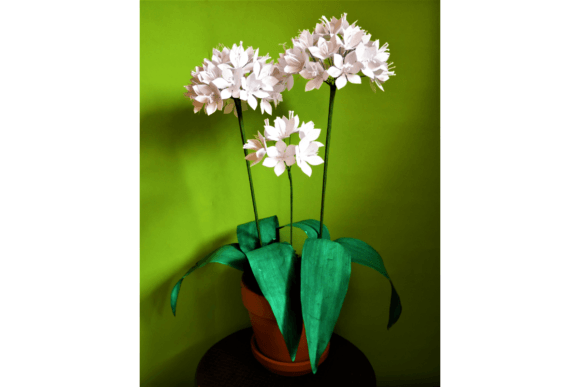
As a designer who spends hours scrutinizing stitch lines and fabric interactions, I approach every new digital asset with a mix of curiosity and skepticism. The market is saturated with generic floral motifs, so finding a design that truly balances aesthetic grace with technical feasibility is rare. That is why I decided to put the White Allium arrangement by Maison Gregoria through its paces. This piece is marketed as a 3D SVG representation of delicate white paper blooms on slender stems, but in the world of machine embroidery, "paper" textures must translate into tangible thread work. After analyzing the structure and simulating its application across various mediums, here is my honest evaluation for makers, Etsy sellers, and professional embroiderers.
First Impressions: Mood and Visual Personality
The immediate appeal of White Allium lies in its airy elegance. Unlike heavy, dense bouquets that can overwhelm a garment, this design feels light, sophisticated, and timeless. The concept of "paper flowers" suggests a crisp, structured look, which translates beautifully in embroidery if executed with the right tension and stitch choice. Visually, it evokes a sense of calm and refinement, making it an excellent candidate for brands that want to project cleanliness, purity, or high-end craftsmanship.
For the embroidery designer, the layout is particularly interesting. The slender dark stems provide a strong vertical anchor, while the clustered blooms offer a soft focal point. This contrast creates visual interest without clutter. It is not just a flower; it is a composition. When I first looked at the file structure, I appreciated how the elements are separated enough to allow for creative placement but cohesive enough to feel like a unified arrangement. This versatility is crucial for custom apparel where space might be limited or asymmetrical.
Real-World Application: Where Does It Shine?
Let’s move past the screen and talk about the finished product. I simulated placing White Allium on several common items to see how it would perform in a real craft business setting.
- Custom Tote Bags: This is perhaps the strongest use case. Placing a single allium bloom near the handle strap or centered on a canvas tote creates an instant boutique vibe. The white petals pop against natural cotton or linen, and the dark stems add definition. It elevates a simple bag into a statement accessory.
- Baby Apparel and Nursery Decor: The gentle, non-threatening shape of the allium makes it perfect for baby clothes, blankets, or nursery wall art. Parents often seek designs that are gender-neutral and soothing. White Allium delivers that softness. On a onesie or burp cloth, it reads as premium and thoughtful.
- Holiday Gifts and Personalized Products: During the holiday season, white florals pair exceptionally well with silver or gold thread accents. Imagine this design embroidered on a kitchen towel or a tea cozy. It fits seamlessly into winter weddings, Christmas gifts, or spring showers. The design’s clean lines make it highly adaptable for monogramming nearby.
- Sweatshirt Embroidery: For a cozier look, stitching White Allium on a cream or heather gray sweatshirt adds a touch of femininity to streetwear. The contrast between the casual fabric and the delicate floral design creates a pleasing juxtaposition that resonates with modern fashion trends.
From a small shop product perspective, this design has high perceived value. Customers associate intricate floral details with quality labor. Even if the actual stitch count is moderate, the visual complexity of the "paper" effect gives the impression of a more expensive item, boosting your profit margins.
Technical Considerations and Stitching Clarity
While the aesthetic is strong, we must address the technical execution. The description highlights "delicate white paper blooms," which implies fine detail. In machine embroidery, delicate often means tricky. Here is what you need to watch out for when digitizing or running this machine embroidery design.
First, consider the stitch density. If the fill stitches for the petals are too dense, the fabric may pucker, ruining the "light" appearance of the allium. You want the petals to lay flat and slightly raised, mimicking the texture of paper, not stiff plastic. A combination of satin stitches for the petal edges and lighter fill stitches inside would likely yield the best result. Check the original file to ensure the density settings are appropriate for standard polyester threads.
Second, the color palette is critical. Since the primary element is white, contrast is your best friend. On white fabric, the design will disappear unless you use a contrasting thread for the stems or add subtle shading. On dark fabrics, the white blooms will stand out dramatically, but you may need a backing stabilizer that prevents show-through. Always test the thread colors against your specific fabric batch, as off-whites can look yellowish under certain lighting conditions.
Third, inspect the small details. The "slender stems" mentioned in the description are prone to breaking if the hoop tension is too tight or if the fabric shifts. Ensure your hooping method is secure. If the design includes tiny leaf accents or center details, verify that they are large enough to be stitched cleanly. Tiny details often get lost in the noise of the stitching process, resulting in a muddy appearance rather than a crisp one.
Where to Use With Caution
Not every surface is suitable for White Allium. Avoid using this design on highly textured fabrics like heavy chenille or thick fleece, as the stitch definition will be lost. Similarly, be cautious on stretchy knits without proper stabilization, as the circular nature of the allium blooms can distort the fabric grain.
Also, think about durability. If this is for a finished product that will undergo frequent washing, such as a child’s blanket or a daily-use apron, ensure the thread quality is high. White thread can sometimes show wear or discoloration faster than darker shades. Reinforce the stem areas with additional tack-down stitches if necessary to prevent fraying over time.
Designer’s Checklist Before Production
Before adding White Allium to your catalog or starting a client order, run through this practical checklist:
- Test on Scrap Fabric: Never assume a design works perfectly until you have stitched it on the exact fabric you plan to sell. Check for puckering, thread breaks, and color accuracy.
- Check Hoop Size: Confirm that the design fits within your standard hoop sizes. If you are selling larger items, ensure the design scales well without losing detail.
- Review Stabilizer Needs: Determine if you need cut-away or tear-away stabilizer based on the fabric weight. Delicate designs often require stronger support to maintain their shape.
- Inspect Licensing: As an Etsy seller or digital product seller, you must verify the commercial use rights. Some designs allow unlimited sales of physical goods but restrict resale of the digital file itself. Read the license terms carefully to protect your business.
- Create Mockups: Use printable mockups to visualize how White Allium looks on different products. This helps you market the design effectively before you even start sewing.
Final Verdict
White Allium is a sophisticated, versatile addition to any embroidery project library. It bridges the gap between delicate artistry and wearable fashion. Its clean lines and elegant theme make it suitable for everything from personalized gifts to commercial embroidery projects. While it requires careful attention to stitch density and fabric choice, the payoff in terms of customer satisfaction and brand perception is significant.
If you are looking to add a touch of refined beauty to your handmade product line, this design earns a strong recommendation. Just remember: the magic happens in the details. Take your time with the setup, choose your threads wisely, and let the White Allium bring its unique charm to life.